You have probably Googled something like “should I get Botox or fillers” at least once. Maybe you noticed a line that did not used to be there, or your face looks a little more tired than you feel. You are not alone, and you are not being vain. You are just paying attention.
The tricky part is that Botox and dermal fillers are often lumped together as if they are interchangeable. They are not. They work differently, they treat different concerns, and getting the wrong one will not give you the results you are looking for. This guide is here to clear that up, without the jargon and without the pressure.
Botox relaxes the muscles that cause expression lines like forehead creases and crow’s feet. Dermal fillers restore lost volume and smooth static lines using hyaluronic acid. Many women benefit from both, but the right choice depends on what your face is actually doing, not just what you see in the mirror.
What People Are Experiencing
You might be noticing lines across your forehead that did not used to show up when your face was relaxed. Or the creases between your brows that make you look frustrated even when you are perfectly fine. Maybe it is the hollowing under your eyes, the flattening of your cheeks, or lips that feel thinner than they did a decade ago.
These are not the same problem, even though they can show up at the same time. Some lines are caused by muscle movement. Others are caused by volume loss. And some are a combination of both. That distinction matters a lot when it comes to choosing the right treatment.
Women in their 30s often start noticing the first signs of expression lines deepening. By their 40s and 50s, volume loss becomes more apparent, and the face can start to look drawn or deflated even when skin quality is still good. Understanding what is driving the change is the first step to addressing it well.
Why This Happens
Your face changes for a few different reasons as you age, and they all happen at once, which is why things can feel like they shift quickly.
Muscle movement and expression lines form when the same muscles contract thousands of times a day. Squinting, smiling, raising your brows, furrowing when you concentrate. Over time, those repeated movements etch lines into the skin above them. These are called dynamic lines, and they are most visible when your face is moving.
Collagen and elasticity decline begins in your mid-20s and accelerates after 40. Collagen is the scaffolding that keeps skin firm and bouncy. As it breaks down, skin loses its ability to spring back, and lines that used to disappear when your face relaxed start to stick around.
Fat pad shifting and volume loss is one of the less-talked-about changes, but it is one of the most visible. Your face has natural fat compartments that give it shape and fullness. With age, those fat pads shrink and shift downward. Cheeks flatten. The area under the eyes hollows. The jawline softens. This is not about weight. It is about structural change.
How Botox and Dermal Fillers Each Help
What Is Botox?
Botox is a neuromodulator, meaning it works by temporarily relaxing the muscles responsible for expression lines. When those muscles cannot contract as forcefully, the lines above them soften or disappear. It does not fill anything. It simply reduces the movement that causes the line in the first place.
Botox is most effective for:
- Horizontal forehead lines
- The “11s” between the brows (glabellar lines)
- Crow’s feet at the outer corners of the eyes
- Bunny lines on the nose
- Lip lines and chin dimpling
At ROAR Aesthetics, neuromodulator injections are approached with precision and an eye for balance. The goal is never a frozen look. It is a refreshed, natural expression that still looks like you.
Signs you may benefit from Botox:
- Lines appear or deepen when you make facial expressions
- Your forehead or brow area looks tense even when you feel relaxed
- Crow’s feet are visible when you smile or squint
- You want to prevent lines from becoming more permanent over time
What Are Dermal Fillers?
Dermal fillers are gel-like substances, most commonly made from hyaluronic acid, that are injected beneath the skin to restore volume, smooth lines, and reshape specific areas. Hyaluronic acid is a substance your body already produces naturally, which is part of why results look and feel so natural.
Fillers are most effective for:
- Restoring volume in the cheeks and midface
- Softening nasolabial folds (the lines from nose to mouth)
- Adding definition and hydration to the lips
- Reducing hollowness under the eyes (tear trough area)
- Improving jawline and chin definition
- Addressing facial fillers for volume loss that makes the face look deflated
Key benefits of dermal fillers:
- Restore youthful facial structure without surgery
- Results are visible immediately
- Hyaluronic acid fillers are reversible if needed
- Can be used to subtly reshape and balance facial features
- Natural-looking results that enhance rather than alter
At ROAR Aesthetics in Queen Creek, AZ, founder Krystal Carey, NP, specializes in harmonizing and balancing facial features. Her approach to fillers is architectural, looking at the face as a whole rather than treating isolated spots. That philosophy is what separates a natural result from one that looks overdone.
What Results People Can Expect
With Botox, results typically appear within three to seven days and reach their full effect around two weeks. Most patients see results last three to four months, with some experiencing longer duration over time as muscles gradually become less active with consistent treatment.
With dermal fillers, results are visible almost immediately, though some initial swelling is normal. Once settled, results typically last anywhere from six months to two years depending on the product used, the area treated, and your individual metabolism. Lip fillers tend to metabolize faster. Cheek and jawline fillers often last longer.
Natural-looking results are entirely achievable when treatment is tailored to your anatomy. The best injectable treatments for women over 40 are not about chasing a younger version of yourself. They are about looking like the most rested, refreshed version of who you are right now.
Who Is a Good Candidate
You may be a good candidate for Botox if you have visible expression lines that bother you, you want to prevent deeper lines from forming, or you are noticing your brow or forehead area looking heavier or more tense than it used to.
You may be a good candidate for dermal fillers if you have noticed your cheeks looking flatter, hollowing under your eyes, lips that have lost their shape or fullness, or deeper folds around the mouth that are not related to muscle movement.
Many women benefit from a combination of both. Botox addresses movement-based lines while fillers restore the structural volume underneath. Together, they work in a way that neither can fully achieve alone.
What to Expect During Treatment
A consultation is always the starting point at a reputable med spa. This is where your provider assesses your anatomy, listens to your goals, and recommends a treatment plan that makes sense for your face specifically.
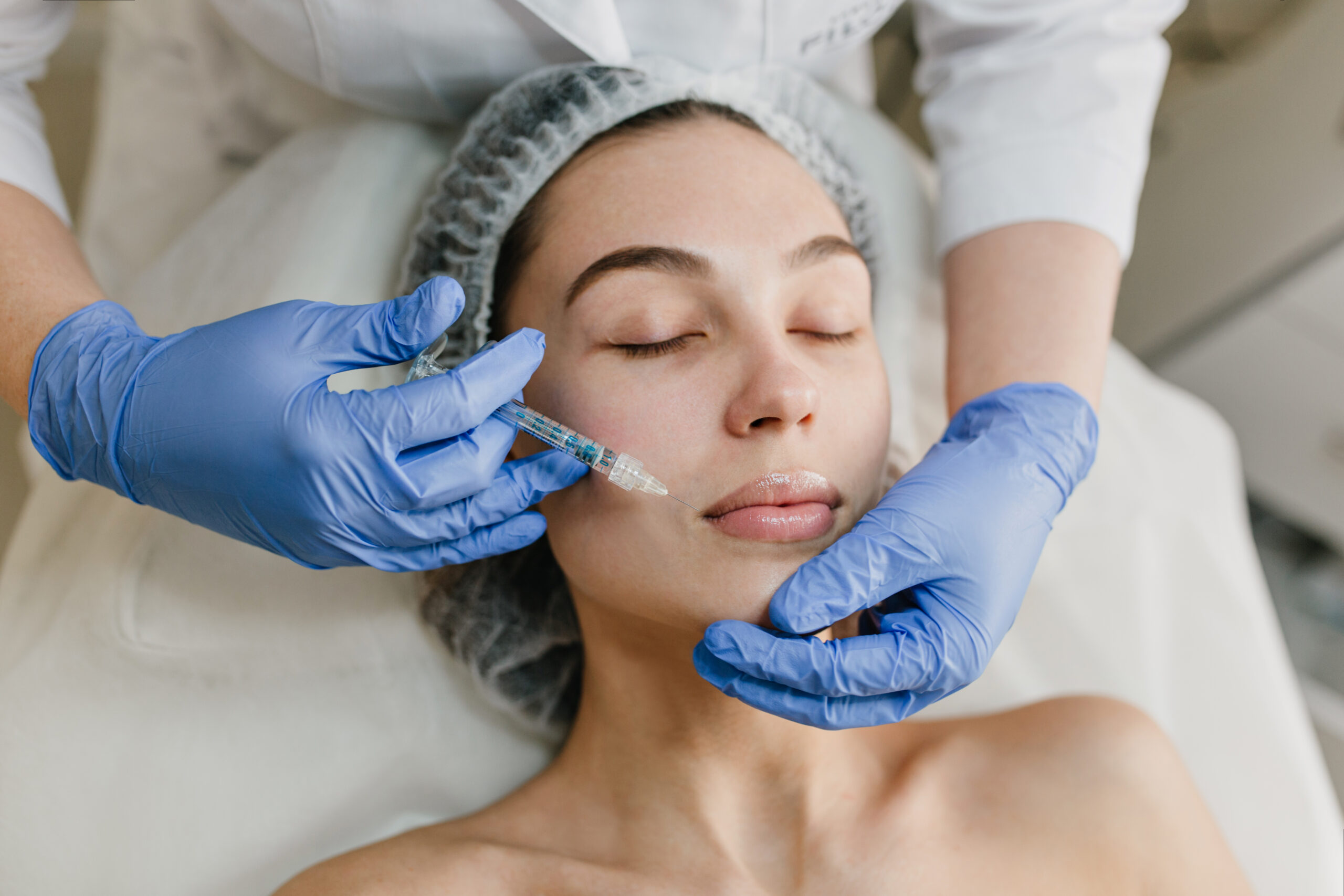
Botox injections are quick, typically taking 10 to 15 minutes. Most patients describe the sensation as a small pinch. There is no downtime, and most people return to normal activity the same day.
Filler appointments take a little longer, usually 30 to 45 minutes depending on the areas being treated. A topical numbing cream is often applied beforehand, and most hyaluronic acid fillers also contain lidocaine, which helps keep the experience comfortable. Mild swelling or bruising can occur but typically resolves within a few days.
The difference between Botox and dermal fillers is not just technical. It is the difference between treating what your face is doing and treating what your face has lost. Both are valid. Both can be beautiful. The key is knowing which one, or which combination, actually addresses what you are seeing.
You do not need to walk into a consultation with all the answers. That is what the consultation is for. What matters is that you feel informed enough to ask the right questions and trust the provider giving you the answers.
Frequently Asked Questions
Can you get Botox and fillers at the same time? Yes, and many patients do. Botox and dermal fillers complement each other well because they address different concerns. Your provider will assess your face and recommend whether combining treatments in a single appointment makes sense for your goals.
How long does Botox last vs. dermal fillers? Botox typically lasts three to four months, though results can extend longer with regular treatment over time. Dermal fillers vary more widely, lasting anywhere from six months to two years depending on the product, the area treated, and how your body metabolizes it.
Does getting Botox or fillers hurt? Most patients describe Botox as a mild pinch with minimal discomfort. Filler injections can feel slightly more noticeable depending on the area, but topical numbing cream and lidocaine in the filler itself make the experience very manageable. Discomfort is brief and well-tolerated by most people.
What is the difference between Botox and Sculptra or Radiesse? Botox is a neuromodulator that relaxes muscles. Sculptra and Radiesse are both dermal fillers, but they work differently from hyaluronic acid fillers. Sculptra stimulates your body’s own collagen production gradually over time. Radiesse uses calcium hydroxylapatite to add volume and also stimulates collagen. Unlike hyaluronic acid fillers, these are not reversible, so they require a provider with strong expertise and a conservative approach.
How do I know which treatment is right for me? The best way to know is through a consultation with a qualified injector who will assess your facial anatomy and listen to your specific concerns. As a general guide, if your concern is movement-based lines, Botox is likely the starting point. If your concern is volume loss, hollowing, or structural change, fillers are more appropriate. Many women benefit from both.
Ready to Get Clarity on What Your Face Actually Needs?
There is no single right answer when it comes to injectables, and there should not be. The best treatment plan is one that is built around your face, your goals, and what genuinely makes sense for where you are right now.
At ROAR Aesthetics + Wellness in Queen Creek, AZ, Krystal Carey, NP approaches every consultation with a trained eye and a commitment to results that look balanced, natural, and like the best version of you.
If you have been curious about Botox, dermal fillers, or both, visiting the ROAR Aesthetics injectables service page is a great place to start. Browse the treatments, get familiar with the approach, and when you are ready, the team is here to answer your questions without any pressure.
You deserve to feel confident in the choices you make for yourself. This is just one step in getting there.