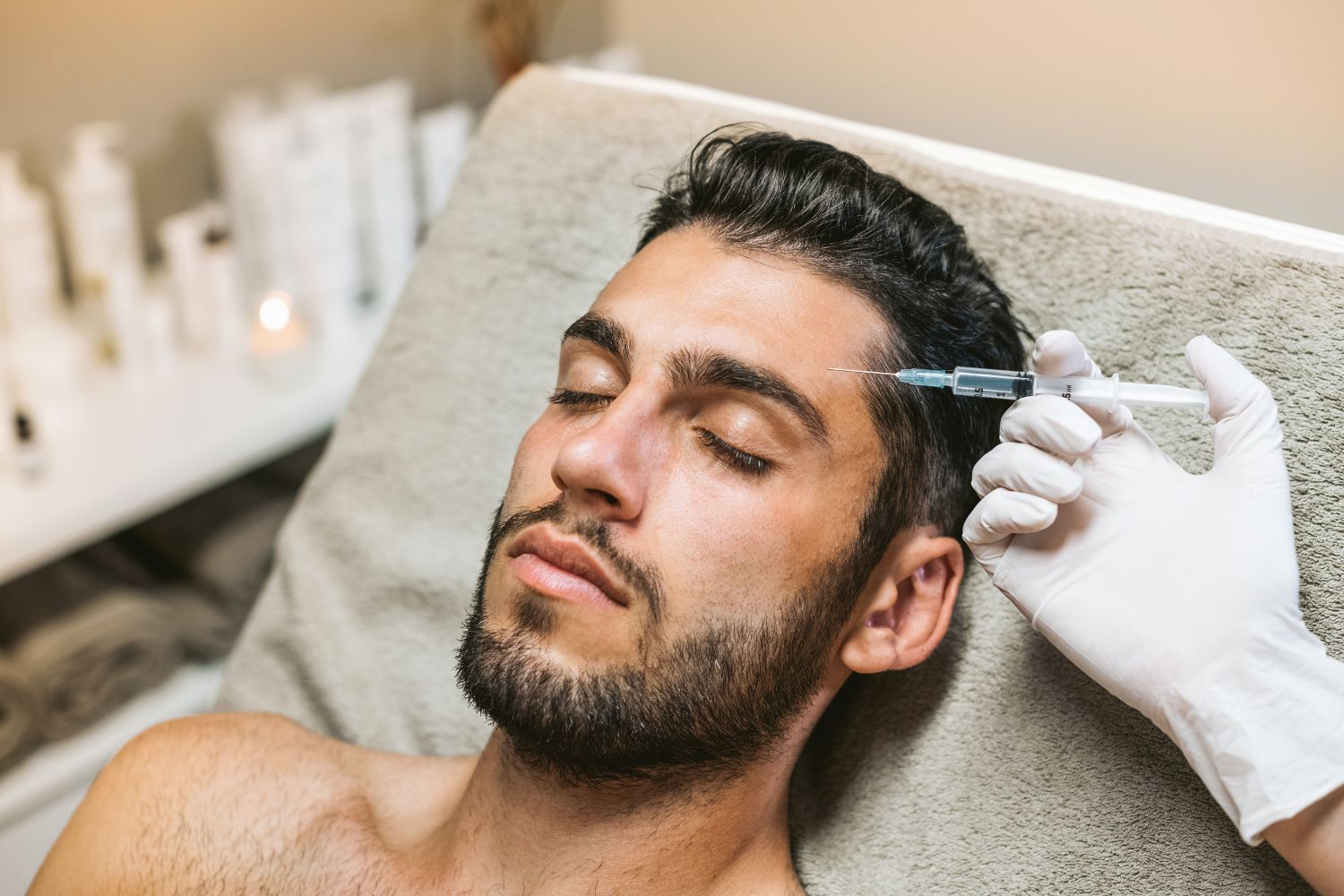
If you’re considering Botox for the first time, one of the most common questions you’ll have is: how many units do I actually need?
It’s a natural place to start. You want to understand the cost, the results, and whether the treatment will feel subtle or noticeable. At the same time, most people are not looking for dramatic change. They want to look refreshed, rested, and like themselves.
The number of Botox units plays a key role in achieving that balance. But unlike many treatments, there is no universal number. The right approach is personalized, thoughtful, and based on how your face naturally moves.
Quick Answer
Most patients need between 20 and 60 units of Botox depending on the areas treated, muscle strength, and desired outcome. Smaller areas like a lip flip may use 4–10 units, while frown lines often require 15–25 units. The exact number is determined during a consultation to ensure natural, balanced results.
What People Are Experiencing
Many people begin researching Botox after noticing subtle but persistent changes.
Lines that once appeared only with movement may begin to linger. You might see horizontal lines across the forehead or deeper lines between the brows. Crow’s feet may become more visible when smiling.
There is often a moment where you feel like your reflection does not fully match how you feel. You may feel well-rested and energized, but your appearance suggests otherwise.
At the same time, there is hesitation.
You may be wondering if Botox will look obvious.
You may worry about looking frozen or overdone.
You may be unsure how many units are “normal.”
These questions are incredibly common. And they reflect a deeper goal: achieving a natural result that still feels like you.
Why This Happens
Facial lines form through repeated muscle movement over time.
Every time you raise your eyebrows, squint, or frown, specific muscles contract. These movements are part of normal expression. Over time, however, they begin to leave visible lines in the skin.
As collagen production slows, the skin becomes less resilient. It does not bounce back as easily. This allows lines to remain visible even when your face is at rest.
Muscle strength also varies from person to person.
Some individuals have stronger facial muscles, especially in areas like the forehead or between the brows. These muscles require more Botox units to achieve a softening effect. Others may require fewer units for similar results.
This is why dosing cannot be standardized. It must be tailored to each individual.
How Botox Units Work
A Botox unit measures the strength of the muscle-relaxing effect.
It is not based on volume. Instead, it reflects how much the targeted muscle will be softened.
Using more units increases the degree of muscle relaxation. Using fewer units allows for more movement.
The goal is not to eliminate expression. It is to reduce the intensity of movement that causes lines, while preserving natural facial dynamics.
Typical Botox Units by Treatment Area
While every treatment is customized, the following ranges provide a helpful baseline.
Forehead Lines
10–20 units
Softens horizontal lines while maintaining natural brow movement
Frown Lines (Glabellar Lines)
15–25 units
Relaxes the “11 lines” between the brows and reduces a tense appearance
Crow’s Feet
10–15 units per side
Smooths lines around the eyes while preserving a natural smile
Brow Lift
4–8 units
Creates a subtle lift and more open appearance around the eyes
Lip Flip
4–10 units
Enhances the upper lip with a soft, natural effect
These ranges are not fixed. They are adjusted based on your anatomy and goals.
What Determines How Many Units You Need
Several factors influence your personalized treatment plan.
Muscle Strength
Stronger muscles require more units to achieve the same level of relaxation
Treatment Goals
A softer, more natural look may use fewer units than a more defined smoothing effect
Number of Areas Treated
Treating multiple areas increases the total number of units
Facial Anatomy
Every face has unique structure, symmetry, and movement patterns
Previous Treatments
If you have had Botox before, your dosing may be adjusted over time
Signs You May Benefit from Botox
You may be a good candidate if you notice:
Lines that remain visible when your face is at rest
A tired or tense appearance despite feeling well-rested
Deepening lines between the brows or across the forehead
Fine lines forming around the eyes when smiling
These signs often indicate that muscle movement is beginning to leave a lasting impression on the skin.
How This Treatment Helps
Botox works by temporarily relaxing targeted muscles.
When these muscles are softened, the overlying skin appears smoother. This reduces the appearance of existing lines and helps prevent deeper lines from forming.
The key is precision.
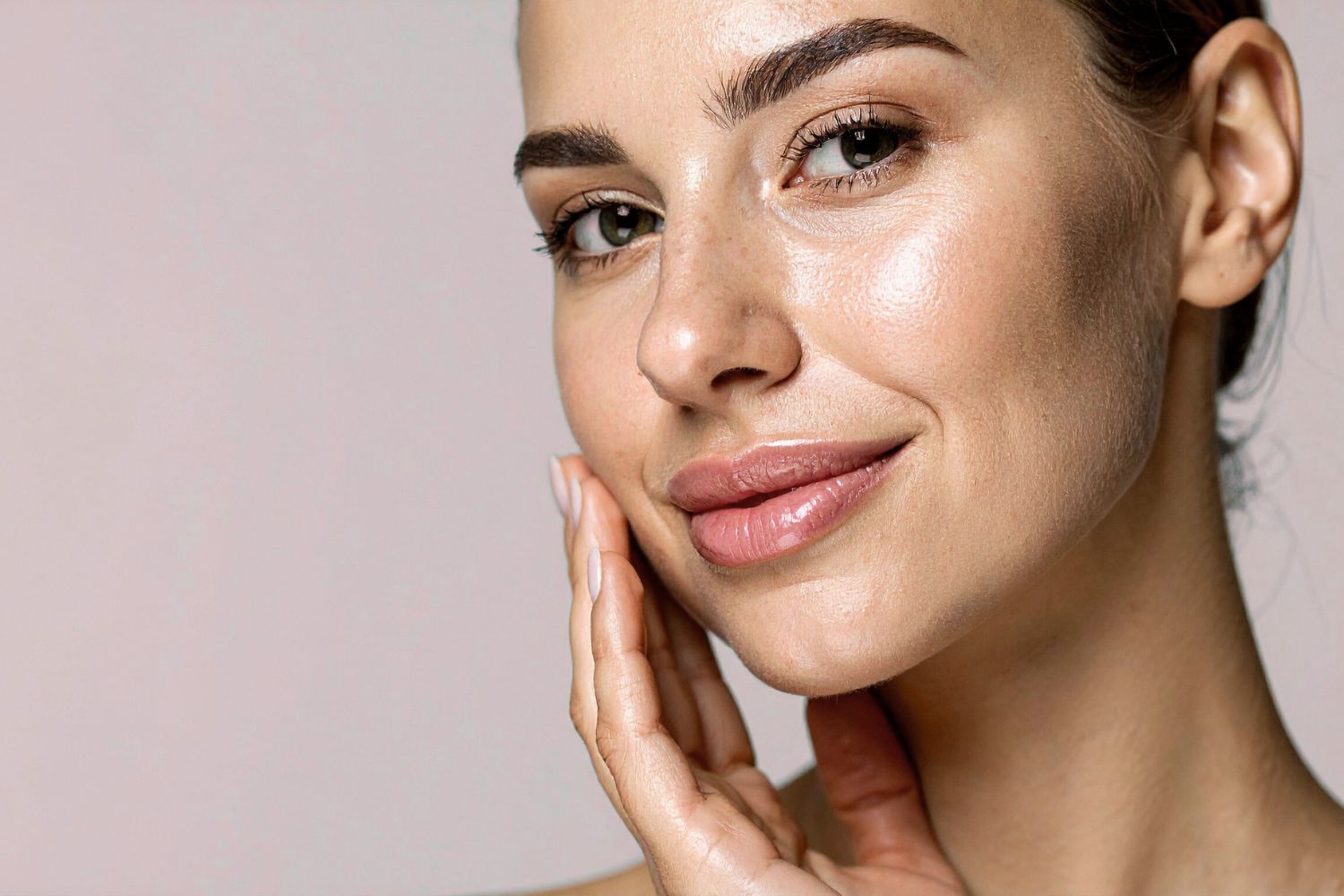
When Botox is placed thoughtfully, it enhances your natural features without changing your overall expression. You still look like yourself, but more refreshed.
For patients exploring options, visiting the Botox service page can provide additional insight into how treatment is customized based on individual goals.
What Results People Can Expect
Results develop gradually.
Most patients begin to notice changes within a few days. Full results are typically visible within 10 to 14 days.
The outcome is often described as subtle but meaningful.
Skin appears smoother
Expressions feel softer
The overall face looks more relaxed
Friends or colleagues may comment that you look well-rested, without identifying exactly why.
Results typically last three to four months. With consistent treatment, some patients find that results last longer over time.
What to Expect During Treatment
Your appointment begins with a consultation.
Your provider will assess your facial movement, discuss your goals, and determine the appropriate number of units. This step is essential for achieving balanced results.
The treatment itself is quick, often taking 10 to 15 minutes.
Small injections are placed into targeted muscles using a fine needle. Most patients describe the sensation as a brief pinch.
There is minimal downtime. You can return to most daily activities immediately after your appointment.
Key Benefits of Personalized Botox Dosing
Customized treatment based on your facial anatomy
Natural-looking results that preserve expression
Balanced outcomes across multiple areas
Flexibility to adjust over time
Final Thoughts
Understanding how many units of Botox you may need is an important part of the decision-making process.
The most important takeaway is that there is no universal number. The right treatment is one that is tailored to you—your features, your goals, and your preferences.
When approached thoughtfully, Botox becomes less about changing how you look and more about maintaining a refreshed, natural version of yourself.
Frequently Asked Questions
How many units of Botox do I need for my first treatment?
Most first-time patients need between 20 and 40 units depending on the areas treated. The exact number is customized based on your facial movement and goals.
Is 20 units of Botox enough?
For some areas like frown lines or crow’s feet, 20 units may be sufficient. However, total units depend on how many areas are treated and your muscle strength.
Can I start with fewer units and add more later?
Yes. Many patients choose a conservative approach initially. Additional units can be added after your results settle if needed.
How long do Botox results last?
Results typically last three to four months. With consistent treatments, some patients notice longer-lasting effects over time.
Does needing more units mean worse wrinkles?
Not necessarily. It often reflects stronger muscle activity rather than the severity of wrinkles.
Get a personalized Botox consultation at Roar Aesthetics + Wellness
If you’re considering Botox and want guidance tailored to your goals, you can explore treatment options and learn more by visiting the Botox service page. A personalized consultation can help determine the right approach for natural, balanced results.